Burgdorf Hot Springs McCall: Your Complete Guide to Idaho's Historic Winter Hot Springs
- August 16, 2026
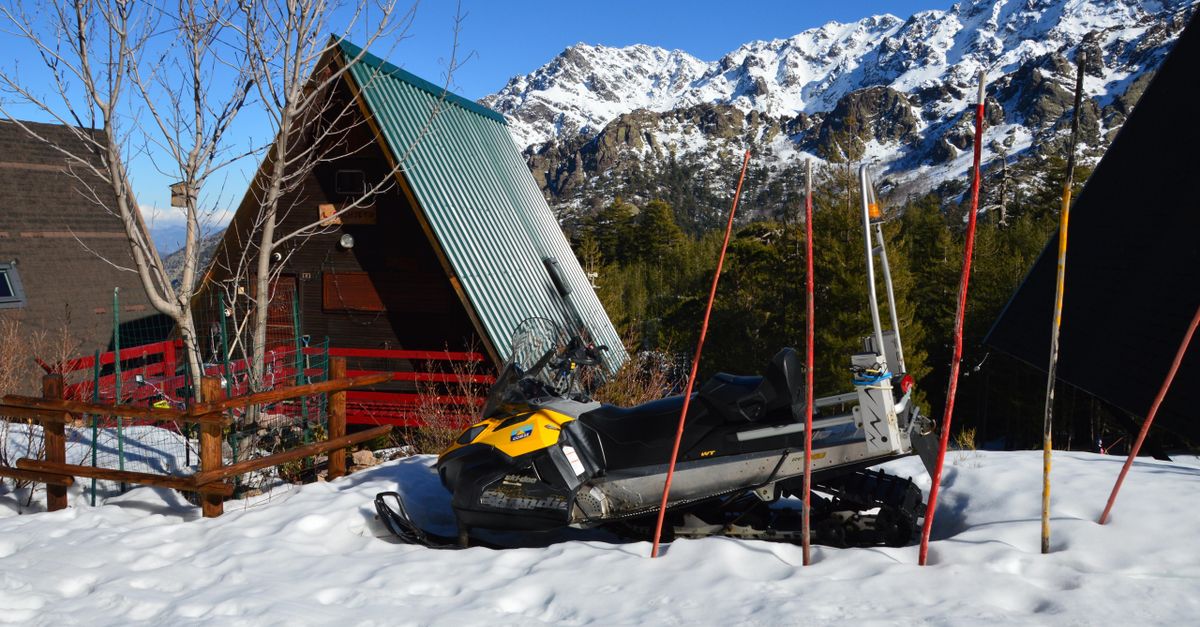
Photo by SlimMars 13 via Pexels
A soaking legacy forged in the 1870s
Burgdorf Hot Springs has been operating since the 1870s, making it one of the oldest continuously running hot springs in the Pacific Northwest. The property traces its roots to the Comstock-era mining towns in central Idaho, when prospectors discovered the therapeutic waters while working gold and silver claims in what became Warren, Idaho. Warren was one of the state's most productive historic mining districts.
Unlike purpose-built resort hot springs constructed in recent decades, Burgdorf evolved organically from its mining camp roots. The original facilities consisted of simple wooden troughs and hand-laid stone pools that served miners, cowboys, and frontiersmen. The place has remained unpretentious and weathered over the decades. This is not a resort that has been sanitized for mass tourism. It is a working artifact of Idaho's frontier past.
The property sits at about 5,200 feet elevation in the Salmon River Mountains, roughly 20 miles northeast of McCall, Idaho. McCall is a small resort town of about 3,000 residents, known for its proximity to Payette Lake and its reputation as a winter recreation hub. Burgdorf sits about 14 miles from the nearest paved road, and that isolation has preserved its authenticity while limiting its fame to those willing to make the journey.
The world's only timber-framed hot spring pool
The centerpiece of Burgdorf is its main soaking pool, housed within a timber-framed building. This construction style shows up more often in barns and covered bridges than in hot spring facilities. The heavy Douglas fir timbers, hewn and joined with traditional mortise and tenon connections, frame a pool that draws directly from a natural geothermal source.
Water at the source hovers around 140°F, which staff blend with cold spring water to achieve a soaking temperature between 102 and 106 degrees. The mineral content includes calcium, magnesium, sodium, and traces of sulfur. That characteristic smell hits hot spring regulars immediately. These minerals deposit on the pool's stonework and wooden edges, building up in layers that speak to decades of continuous use.
The timber-framed enclosure serves both practical and atmospheric purposes. In Idaho's high-country climate, the structure protects soakers from wind and snow during winter while allowing steam to escape through gaps in the timber joinery. Summer visitors appreciate that the open-air character lets you stargaze while soaking, a contrast to the enclosed concrete boxes at many commercial hot spring facilities.
The pool holds roughly 15 to 20 people comfortably, though peak holiday weekends can make the space feel tight. There are no reservations, no time limits, and no lifeguards. Soak at your own risk, as it has been since the 1870s. Inside the pool house, cedar mingles with sulfur and woodsmoke from the adjacent woodstove that heats the changing area.
Winter access: Snowmobile-only protocol
From about December 1 through April 15, Burgdorf is accessible only by snowmobile. The Warren Wagon Road, the dirt track connecting the hot springs to the main highway, closes for the season, which turns Burgdorf into something closer to a true wilderness experience. No vehicles, no buses, no RVs. Just you, your gear, and a 14-mile groomed snowmobile trail through snowy forest.
The snowmobile requirement is non-negotiable and is both Burgdorf's biggest challenge and its greatest asset. Visitors must bring their own snowmobile or arrange rentals from outfitters in McCall. Rental costs typically run $150 to $250 per day depending on sled type and fuel arrangements. That is a significant part of any winter visit budget. But the ride itself has become part of the Burgdorf experience, twisting through dense pine forest, crossing small frozen creeks, and climbing to ridgelines with views of the surrounding Salmon River Mountains.
The trail follows the route of the historic Warren Wagon Road, which originally served the mining operations around Warren. During the mining boom, this road carried heavy freight wagons loaded with ore for the smelters. Today, the same corridor carries snowmobilers seeking the simple pleasure of hot water and cold air. The journey takes about 45 minutes to an hour at a moderate pace, depending on snow conditions.
Summer access (typically May through November) uses the same road when it dries out. High-clearance vehicles can manage it, and some passenger cars with adequate ground clearance can make it through certain sections. The road is gravel and dirt, with several creek crossings that can become impassable during spring runoff. Those who visit during mud season often find a quieter Burgdorf, with the pool less crowded, the cabins easier to book, and the surrounding hillsides alive with wildflowers.
The 15 historic cabins
Accommodations at Burgdorf consist of 15 individual log cabins scattered across the property, each representing a different era of the resort's long history. These are not the cookie-cutter cabin units found at modern resort properties. They are weathered, idiosyncratic structures that have sheltered generations of visitors, and their condition reflects that accumulated history.
Cabin sizes and layouts vary considerably. The smallest units sleep two people in a single-room layout with a wood stove for heat. Larger cabins accommodate families of six or more with multiple sleeping areas and improved kitchen facilities. None of the cabins have indoor plumbing. Guests use shared bathhouses located throughout the property for showers and restrooms. This is back-to-basics accommodation in the truest sense, appealing to visitors who prioritize authentic character over modern convenience.
Winter stays require advance reservation, and cabins book quickly during Christmas, New Year's, and President's Day weekend. The winter season, despite the snowmobile requirement, is Burgdorf's most popular period. Sledding through a snowy forest to reach a steaming hot pool surrounded by snow-burdened pines has a strong appeal. Summer weekends also fill early, particularly around the Fourth of July and Labor Day.
Nighttime at Burgdorf has its own character. Without the light pollution of cities or even small towns, the stars emerge with startling clarity. The Milky Way stretches overhead while the distant sound of water trickling through snow fills the silence. The wood stoves in each cabin crackle and pop as they heat the small spaces, and the sulfurous steam from the pool drifts across the property on calm evenings.
Planning your visit
Reaching Burgdorf requires more advance planning than most travel destinations. The property has no on-site store and limited cell phone service. Prepare as though you are visiting a remote location, because you are. Bring all food, water, and supplies you will need for your stay. McCall offers grocery stores and restaurants for last-minute provisioning before the drive to the trailhead.
The hot spring pool operates on an honor system during most hours. There is no attendant, no posted schedule, and no staff member collecting admission fees at the pool entrance. A self-pay station exists near the main building where visitors leave the suggested donation, typically $10 to $15 per person for day use. Cabin guests pay their accommodation fees in advance through the reservation system, but the pool remains accessible to day visitors when cabin occupancy allows.
What to bring: swimsuits (required in the pool, unlike some naturist hot springs), towels (not provided), water shoes or sandals for the rocky pool area, and warm layers for the walk between cabin and pool house in winter. A headlamp proves invaluable during winter evenings. Sunscreen matters even in winter. Snow reflection intensifies UV exposure at elevation.
The altitude and geothermal mineral content mean you should hydrate heavily during your visit. The combination of hot water, alcohol, and altitude frequently catches first-time visitors off guard, resulting in headaches and fatigue that can dampen the experience. Drink water consistently throughout your soak, and consider limiting alcoholic beverages until evening.
Burgdorf rewards visitors who invest the effort required to reach it. The 14-mile snowmobile journey or the dusty summer drive both serve as a passage of sorts, one that filters out the casual tourist and leaves those seeking something genuine. Burgdorf offers hot water bubbling up from the earth since the 1870s, flowing into a timber-framed pool built by hands long since stilled, accessible now as it was then to anyone willing to make the trip.